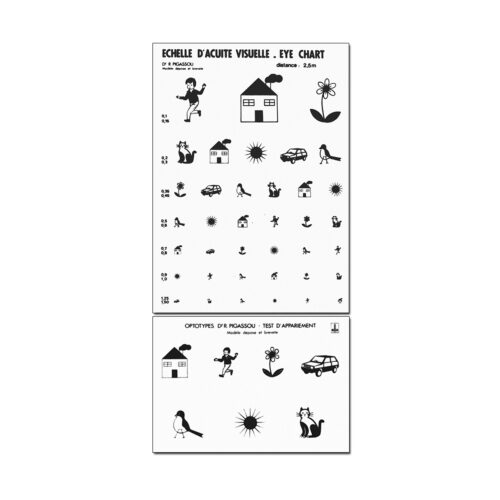
What is the Armaignac reading scale?
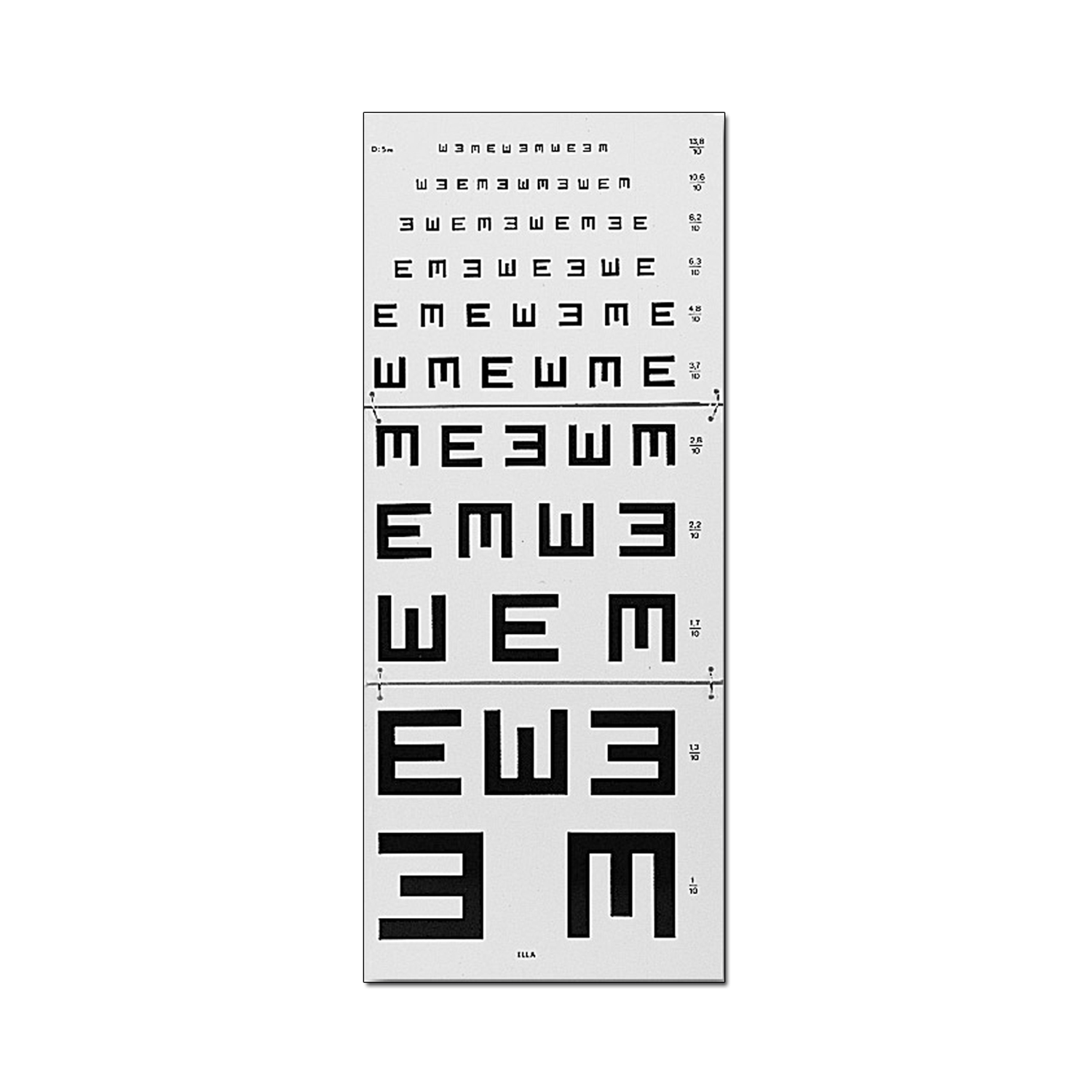
L'’Armaignac reading scale (Optometry scale) is very useful for patients who have difficulty reading the Latin alphabet, especially very young children. Furthermore, it is commonly used in countries where people do not use the alphabet of their native language, such as China.
It presents lines of the letter "E" in different orientations. The patient is asked to indicate (often by pointing) the direction in which the limbs of the "E" point, i.e., "up, down, left, or right." Based on the distance at which the patient can "read" the letters, their visual acuity is quantitatively assessed. This procedure works on the same principle as the Snellen remote viewing board.
How is an optometric scale used?
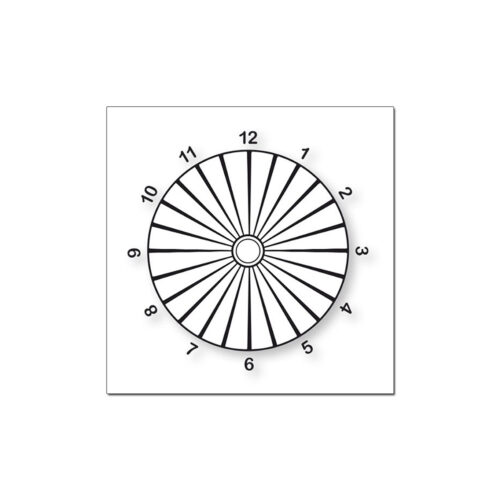
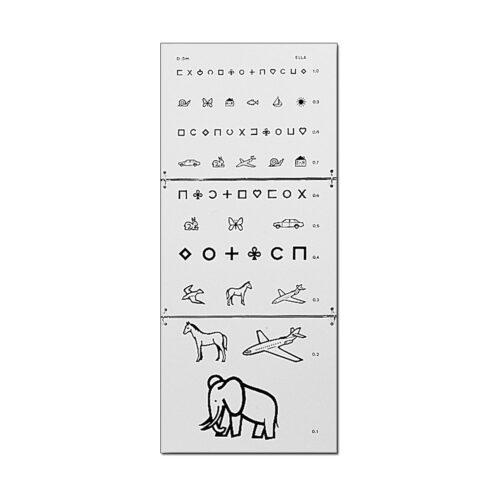
L'’optometry scale Visual acuity is used to measure an individual's visual acuity, that is, their ability to distinguish fine details in an object or image. It is often used by optometrists, ophthalmologists, or vision professionals to assess a person's vision quality.
Using the optometry scale generally involves the following steps:
1. Positioning : the patient is placed at a specific distance from the optometry board, usually at a distance of 6 meters (20 feet) for the standard Snellen scale.
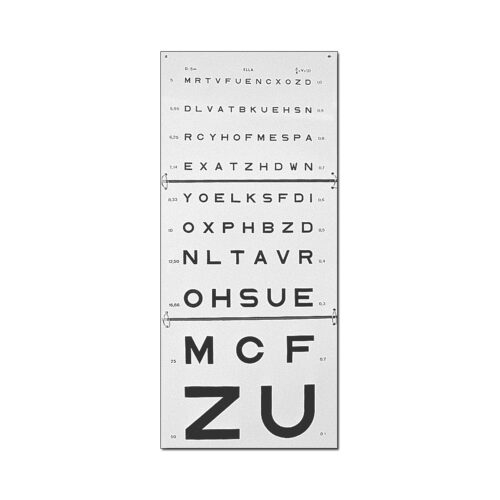
2. Reading letters The patient is asked to read the letters or symbols displayed on the board. The letters are generally smaller as you go down the board.
3. Registration The vision professional notes the letters or symbols correctly identified by the patient. Their visual acuity is determined based on the distance at which the patient can read the letters and which letters they can identify.
4. Correction : if the patient wears glasses or contact lenses, the assessment can also be carried out with and without correction to determine the improvement provided by visual aids.
L'’optometry scale An eye exam is an essential tool for diagnosing vision problems, prescribing appropriate glasses or contact lenses, and monitoring changes in vision over time. It also helps detect potential eye health issues and refer patients for further testing if necessary. Regular eye exams are important to ensure optimal vision and to identify any changes that may require additional care.